Accessible Korea
Gwangju 광주
-
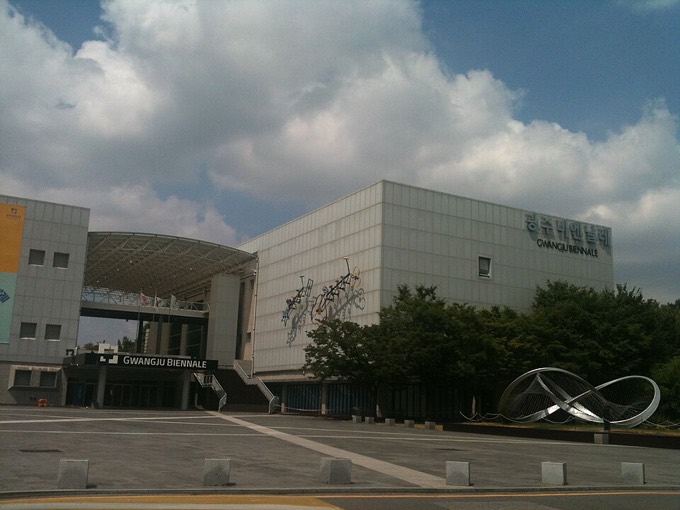
Gwangju Biennale
The Gwangju Biennale, a major contemporary art festival held every two years, is now regarded as one of the world's top three biennales. As a cultural and democratic city, Gwangju serves as a global hub for artistic exchange. Founded to commemorate the 50th anniversary of Korea's liberation and the "Year of Art," the Biennale was created to transform the spirit of the May 18 Democratic Uprising into new cultural value.
Verified accessibility
- Accessible elevator
- Braille & tactile guides
- Accessible parking
- Accessible restroom
- Nursing room
- Wheelchair rental
Braille Blocks for the Visually Impaired / Braille Signage; * Wheelchair & Stroller Rental
- Hours
- 10:00 - 18:00 / Closed on Mondays
- Address
- 111, Biennale-ro, Buk-gu, Gwangju
-
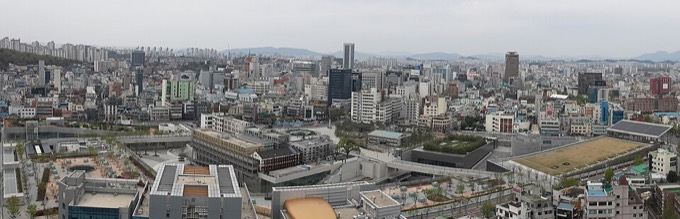
Asia Culture Center
Opened in 2015, the Asia Culture Center (ACC) is a global cultural complex where Asian cultural exchange, research, content creation, exhibitions, performances, and archiving all take place in one integrated space. As one of the world's largest multi-cultural facilities, it serves both as a vibrant hub where visitors can enjoy exhibitions, performances, and libraries, and as a learning space for researching Asian resources and cultivating cultural professionals.
Verified accessibility
- Step-free entrance
- Accessible elevator
- Audio guide
- Braille & tactile guides
- Accessible parking
- Accessible restroom
- Nursing room
- Wheelchair rental
Services for the Hearing Impaired; Audio Guide Service / Tactile & Braille Map by Facility; * Wheelchair Seating at Theater / Accessible Guest Room / Wheelchair & Stroller Rental
- Hours
- Indoor Facilities 10:00 - 18:00 *Operating hours may vary by facility / Outdoor Facilities 06:00 - 22:00 / Closed on Mondays and New Year's Day
- Address
- 38, Munhwajeondang-ro, Dong-gu, Gwangju
-
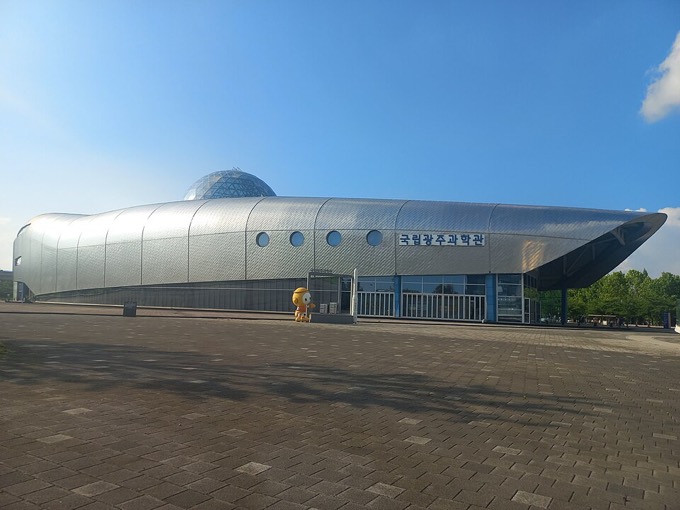
Gwangju National Science Museum
Gwangju National Science Museum, established under the 2003 national science museum development plan and located in the Gwangju High-Tech Industrial Complex, specializes in light, art, and science. Its hands-on exhibits foster imagination and creativity, while permanent and special exhibition halls-along with a children's hall, planetarium, and 3D theater-offer both educational and engaging experiences.
Verified accessibility
- Step-free entrance
- Barrier-free trail
- Accessible elevator
- Braille & tactile guides
- Accessible parking
- Accessible restroom
- Nursing room
- Wheelchair rental
Wheelchair-accessible Main Entrance / Barrier-free Walkway; Braille Labels for Exhibits; * Wheelchair & Stroller Rental
- Hours
- Tue~Sun 09:30 - 17:30 (Ticket sales close at 16:30) / Closed on Mondays, New Year's Day, Lunar New Year's Day and Chuseok Day
- Address
- 235, Cheomdangwagi-ro, Buk-gu, Gwangju
-
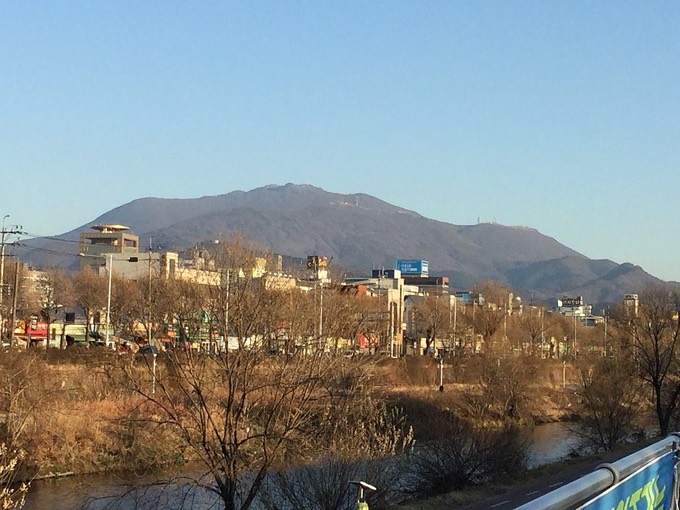
Mudeungsan National Park
Mudeungsan National Park spans Gwangju, Damyang, and Hwasun, covering 75.425 km² with a peak of 1,187 m. Known as a rare major mountain so close to a million-population city, it is a symbol of Gwangju. The park features 61 scenic rock formations, including the columnar joints of Seoseokdae and Ipseokdae, and offers diverse hiking trails for all levels. It is also home to 3,668 species, including eight endangered animals such as the Eurasian otter and leopard cat.
Verified accessibility
- Step-free entrance
- Accessible restroom
- Wheelchair rental
- Hours
- For detailed operating hours, please contact by phone / Open year-round *For restricted hiking periods and sections, refer to the announcements on the Mudeungsan National Park website
- Address
- 792, Mudeungsan Cheonwangbong-gil, Buk-gu, Gwangju
-
Missionary Wilson's House
This two-story brick house, built facing east at the foot of Yangnim Mountain in Yangnim-dong, features a traditional Korean gabled roof with slightly upturned eaves. Believed to have been constructed by American missionary Wilson in the 1920s-though the exact year is unknown-it is considered the oldest remaining Western-style residence in Gwangju. The building is regarded as an important example of early modern architecture from the enlightenment period.
Verified accessibility
Gently Sloped Main Entrance Ramp
- Hours
- Open at all times / Open year-round
- Address
- 20, Jejung-ro 47beon-gil, Nam-gu, Gwangju
Source: Seoul Tourism Organization, “Integrated Guidebook for Universal Tourism Governance”, compiled December 2025; text reused with attribution, the guide’s photos are not. Facilities change, confirm with the venue before you travel.