Hip & newtro
Incheon Gaehangjang Street
인천 개항장 거리
Korea's open-port past, now newtro-hip
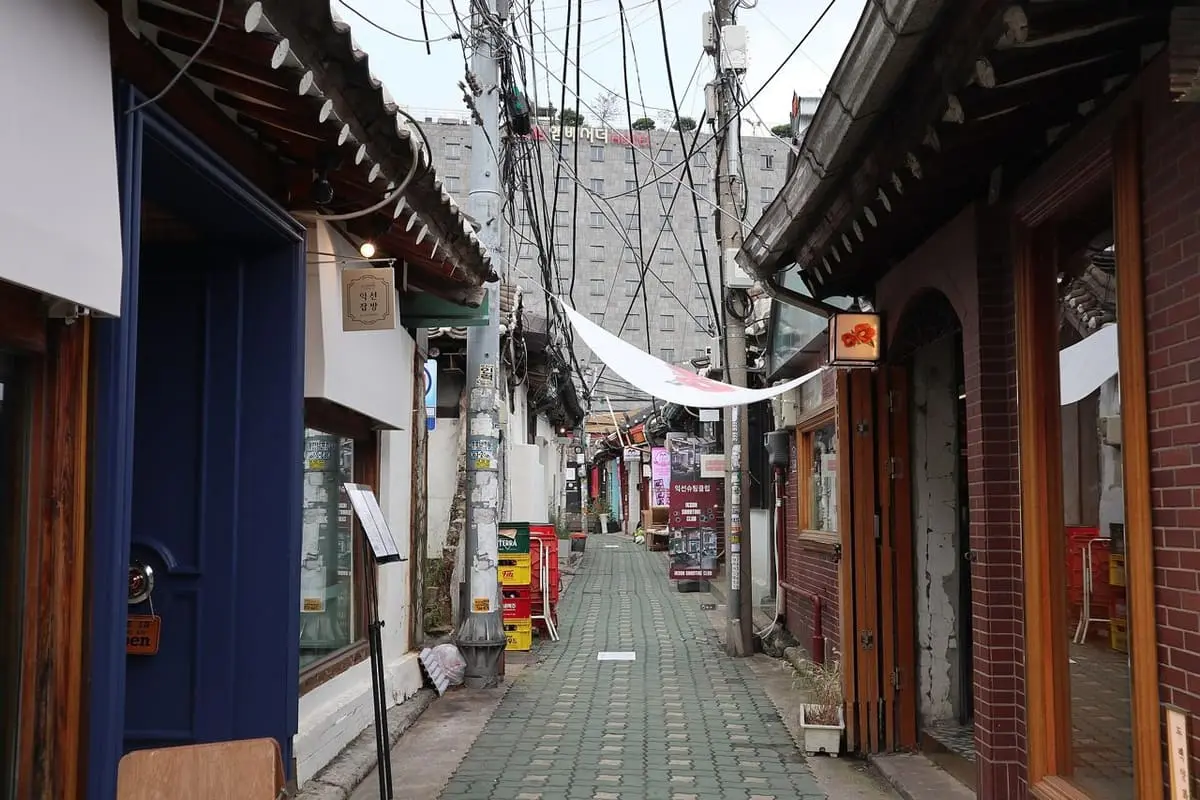
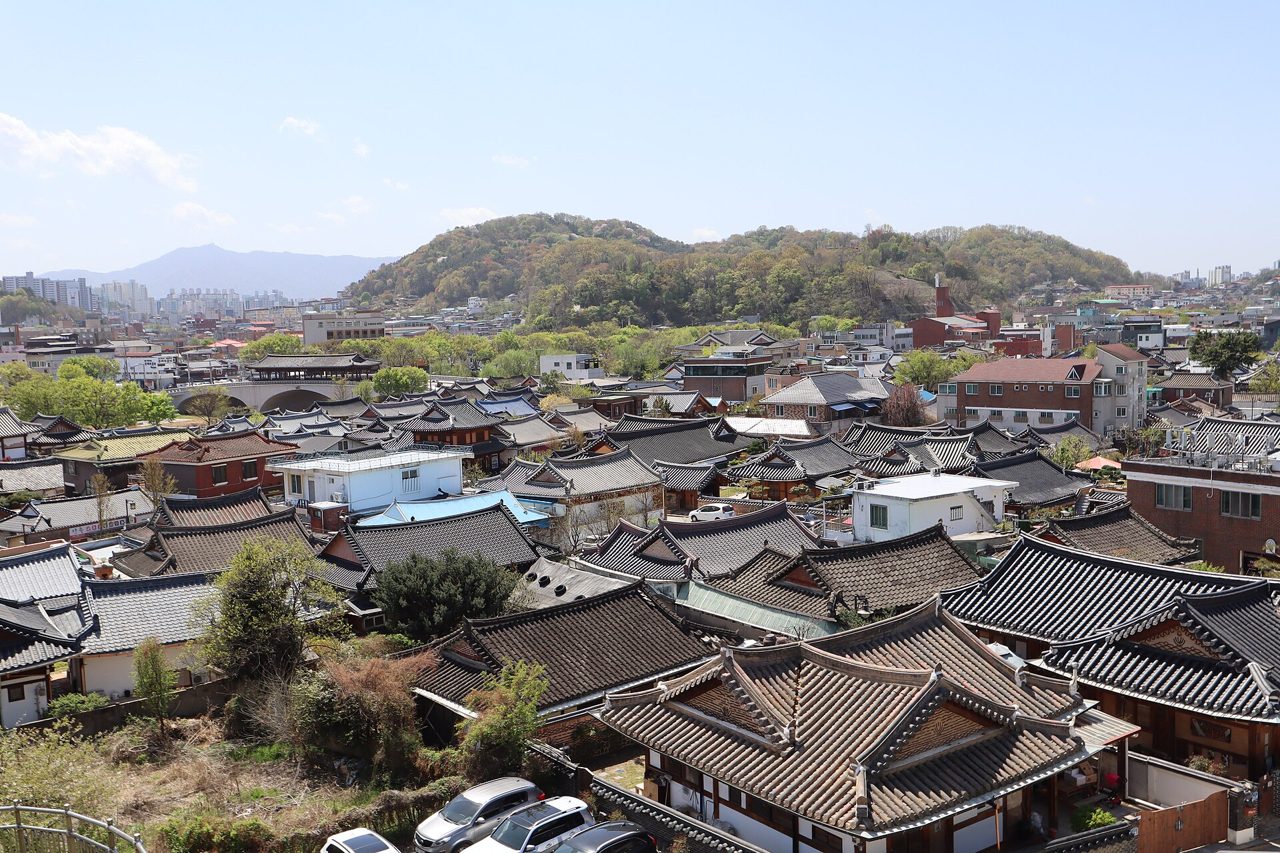
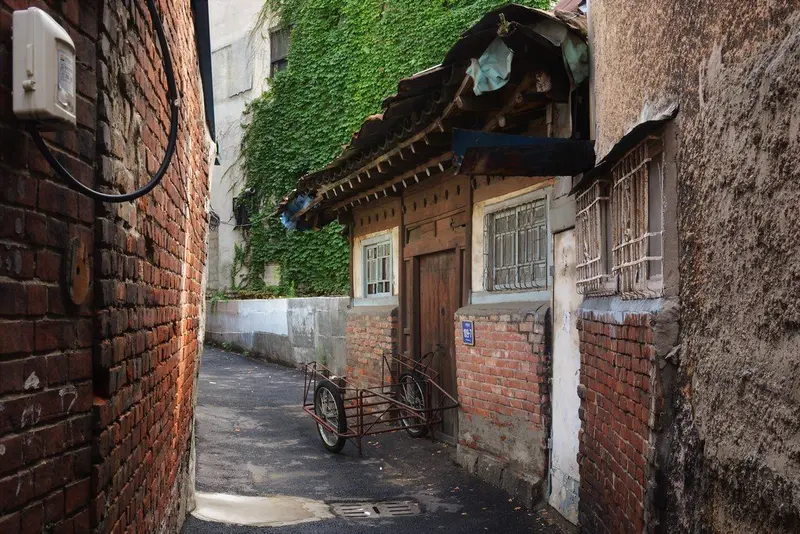
The streets next to Chinatown where Incheon's port opened in 1883, lined with restored late-Joseon and Japanese-occupation buildings turned into cafes, galleries, and museums. It reads as retro to younger visitors and nostalgic to older ones, which is why the whole area has become a photo-heavy day out. Go for the mix of open-air history and newtro cafes in one walkable stretch.
What to see & do
Incheon Art Platform Thirteen 1930s-40s buildings turned arts complex, a well-known filming spot for the drama Guardian (Goblin).
Border Stairs Between Chinese and Japanese Settlements Stone steps flanked by Japanese wooden buildings on one side and Qing-style architecture on the other.
Open-port museums Former banks and Korea's first hotel now house the Open Port Museum, Modern Architecture Museum, and Daebul Hotel Exhibition Hall.
Five-in-one integrated ticket One ticket covers five sites including the Jajangmyeon Museum, sold at the Daebul Hotel Exhibition Hall.
Eat & do here
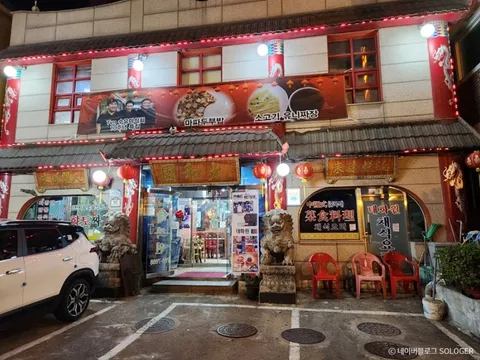
- Taehwawon태화원 Chinatown jjajangmyeon by a descendant of the chef from Gonghwachun, the dish's original restaurant, now a three-generation family kitchen.
- itta SPACE잇다스페이스 A gallery in a 1920s salt warehouse that later served as a sauna and a bookstore, with a paulownia tree climbing its wall.
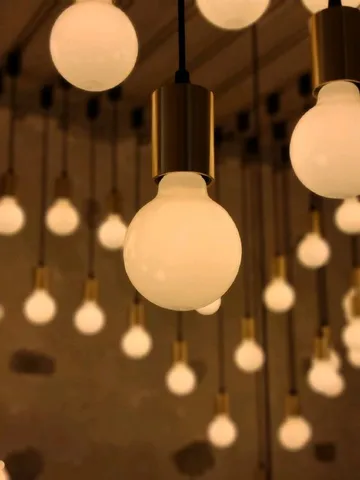
- Light House일광전구 라이트하우스 Showroom and cafe of bulb maker Ilkwang Lightings, with old manufacturing machines, lighting displays, and fresh-baked desserts. Instagram
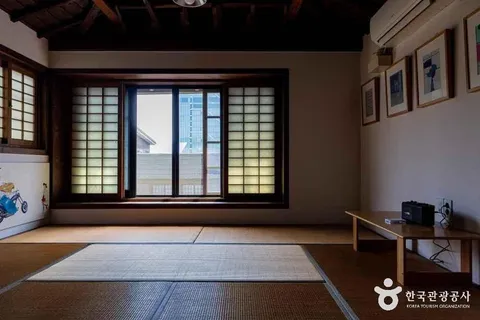
- pot_R팟알 Dessert cafe in a restored open-port-era Japanese house, known for red-bean shaved ice and Nagasaki castella. Website
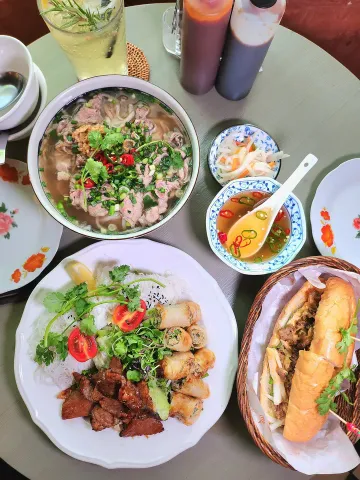
- Mekong Sarong메콩사롱 Vietnamese spot with aquamarine tables and a stylish, exotic room serving authentic Vietnamese dishes. Instagram
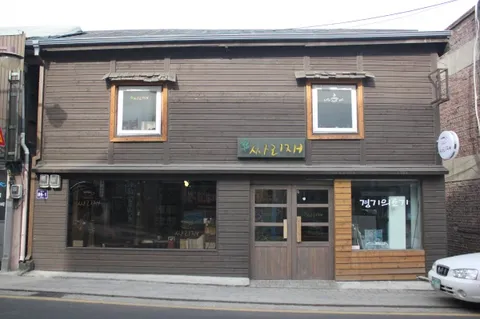
- Ssarijae싸리재 Retro cafe in a 1930 building pulling moka-pot espresso from fresh-ground beans, also hosting cultural events and talks.