Wando Laver
Laver, classified under the genera Porphyra or Pyropia, is a type of marine algae that is thinly spread and dried into a paper-like form, typically cut into square shapes for distribution.
Laver can be eaten by wrapping rice, like lettuce used for wraps, or as a side dish when dipped in soy sauce.
Laver is also used in gimbap, a popular Korean dish in which various vegetables and other ingredients are rolled with rice and laver.
Seasoned laver, lightly brushed with oil, toasted, and sprinkled with salt, is one of the souvenirs that travelers to Korea often purchase.
The story behind Wando Laver
Types of Laver
The laver consumed in Korea is classified into two main types: itbadi dolgim (porphyra dentata) and bangsamuyeon dolgim (porphyra yezoensis).
Itbadi dolgim is more commonly known as "gopchang dolgim" (meaning "beef intestine laver") because its curled shape resembles beef intestines.
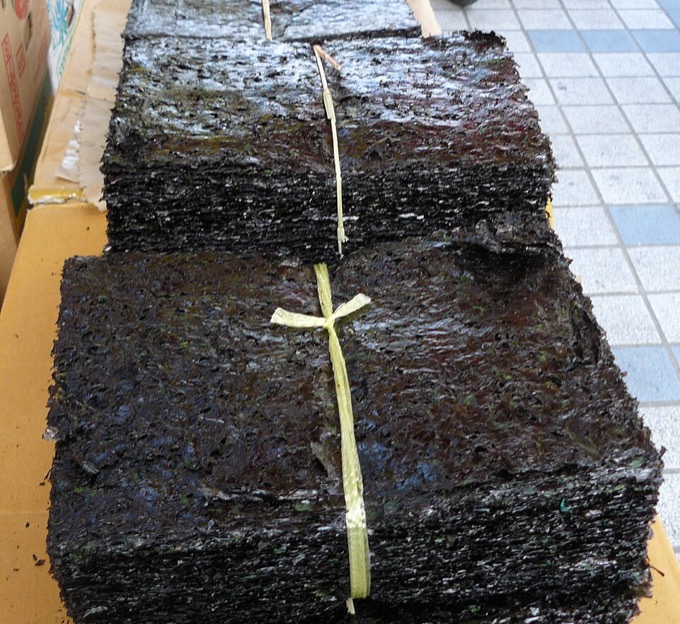
Bangsamuyeon dolgim is the most widely available variety on the market. This laver looks like thin black paper, accounting for 70% of domestic production.
Harvested bangsamuyeon dolgim can be processed thickly to be used to make gimbap or processed thinly and brushed with seasoned oil to make side dish
Laver on Korean Tables
Up until the 1980s, it was common to roast laver at home during the winter.
The process involved brushing the laver with a mix of sesame oil and cooking oil, then roasting it one sheet at a time.
This roasted laver was used as a side dish during winter or packed into school lunchboxes for children.
Sometimes, the laver was roasted without oil and eaten by wrapping warm rice and dipping it into soy sauce.
Over time, the practice of roasting laver at home gradually faded, and market vendors took over.
When you order laver at the market, vendors coat it with oil and roast it on the spot, attracting many customers with its enticing aroma.
Even today, despite the wide variety of factory-produced laver, traditional markets still have stalls where you can get freshly roasted laver.
Recently, seasoned laver has become increasingly popular among consumers. This type of laver is prepared in factories with perilla oil, sesame oil, olive oil, and salt to enhance its flavor.
Because of its clean packaging and ease of storage through an automated production process, it has gained widespread appeal.
However, the oils used may oxidize when exposed to light, so the laver is sold in opaque packaging to maintain freshness.
Ways to Enjoy Laver
Koreans typically use laver as a side dish to accompany rice. It is common to place a sheet of roasted laver on top of warm rice or prepare it as gimmuchim (laver salad) or gimguk (laver soup).
Recently, laver has also become popular as a snack or appetizer. Gimbugak (laver chips), made by coating laver with sweet rice paste and frying it in oil, are a representative snack and side dish made from laver.
In Wando, some restaurants offer gimguk as a side dish rather than a standalone item, often served alongside when abalone or sliced raw fish is served. Adding oysters to the gimguk in winter enhances its flavor and richness.
In addition, laver flakes are sometimes sprinkled over dishes like tteokguk (sliced rice cake soup) or noodles to add extra flavor.
How to Make Gimbugak
Ingredients | Dried laver, 200ml glutinous rice flour, 3 cups* water (*cup measurements refer to small paper cups, not the U.S. cup measure)
1. Mix the glutinous rice flour with water and heat until it just begins to boil. Let it cool to make the sweet rice paste.
2. Cut a sheet of dried laver into four pieces. Brush each piece with the glutinous rice paste and let them dry. You can sprinkle sesame seeds or red chili powder for extra flavor.
3. Quickly fry the dried laver in oil heated to about 170°C for 3-5 seconds.
4. Drain the oil and let the gimbugak cool.
3 places to try Wando Laver
-
Wando-gun Sea Vegetable Center
This exhibition center explains the various types of marine algae found in Wando, how they are consumed, and their uses in different industries. Visitors can also explore the processed marine algae products produced in Wando. The first floor features a seawater foot bath for relaxation. [Program] Marine Algae Exhibition, Local Agricultural and Seafood Specialties Exhibition, etc. Operating Hours: 09:00-18:00 (closed on Mondays, January 1, and on the day of Seollal and Chuseok) | Admission: Free of Charge
- 84 Haebyeongongwon-ro, Wando-eup, Wando-gun, Jeollanam-do
-
Wando Suhyup Fish Market
This market offers Wando-produced laver, live fish, and other seafood arriving at Wando Port at affordable prices. It's a fun spot to explore, with multiple stores gathered in one place. Operating Hours: 11:00-15:30 (depends on the store, closed on Sundays)
- 150 Haebyeongongwon-ro, Wando-eup, Wando-gun, Jeollanam-do
-
Wando-eup Fifth-day Market
This traditional market, located in front of the Wando-gun Office, operates on days ending in 0 and 5 of each month. Local residents sell vegetables they have grown themselves and freshly caught seafood and also offer laver for purchase. Operating Hours: Depends on the store
- 34-1 Gaepo-ro, Wando-eup, Wando-gun, Jeollanam-do
Photo: david&alina (Flickr) (CC BY-SA 2.0), Wikimedia Commons
Source: Korea Tourism Organization (Taste Your Korea), “K-Local Food Trip 33”, compiled July 2024; text reused with attribution, the guide’s photos are not. Restaurants are not ranked; hours and menus change, confirm before you go.